
The Importance of Paediatric First Aid Training
- Ricky Podmore
- Oct 13, 2025
- 3 min read

Accidents involving children can happen anytime and anywhere. Whether at home, school, or playgrounds, children are vulnerable to injuries and sudden illnesses. Knowing how to respond quickly and effectively can make a significant difference in the outcome of these emergencies. This is why child first aid training is essential for parents, caregivers, teachers, and anyone responsible for children’s safety.
Why Child First Aid Training Matters
Child first aid training equips individuals with the skills and confidence to handle emergencies involving children. Unlike adults, children have different physiological responses and require specific care techniques. For example, their airways are smaller, and their bones are more fragile. This means that first aid procedures must be adapted accordingly.
Having this training can:
Save lives by providing immediate care before professional help arrives.
Reduce the severity of injuries by preventing complications.
Increase confidence in handling emergencies calmly and effectively.
Promote safety awareness in environments where children spend time.
Imagine a scenario where a child is choking on a small toy. A trained adult can perform the correct choking relief techniques promptly, potentially saving the child’s life. Without this knowledge, panic and incorrect actions could worsen the situation.

Child first aid kit essentials ready for emergencies
Key Components of Child First Aid Training
Child first aid training covers a range of topics tailored to the needs of infants and children. These include:
Basic life support (BLS): Learning how to perform CPR on babies and children, including chest compressions and rescue breaths.
Choking management: Techniques to clear blocked airways safely.
Wound care: How to clean and dress cuts, scrapes, and burns.
Recognising signs of illness: Identifying symptoms of common childhood emergencies such as asthma attacks, allergic reactions, seizures, and fevers.
Handling fractures and sprains: Immobilising injuries to prevent further damage.
Emergency response planning: Knowing when and how to call emergency services and provide accurate information.
This training is practical and hands-on, allowing participants to practice skills on child-sized mannequins and receive feedback from instructors.

Practicing CPR on child mannequin during training session
What to expect on a paediatric first aid course?
When enrolling in a paediatric first aid course, you can expect a structured and interactive learning experience. Courses typically last one or two days and include:
Introduction and theory: Understanding the importance of first aid and the differences between adult and child care.
Practical demonstrations: Instructors show correct techniques for CPR, choking relief, and wound management.
Hands-on practice: Participants practice skills on mannequins and simulated scenarios.
Assessment: A practical and/or written test to ensure competence.
Certification: Upon successful completion, participants receive a certificate valid for a set period, usually three years.
Courses are designed to be accessible for people with no prior medical knowledge. They also provide useful resources and guidance for ongoing learning.
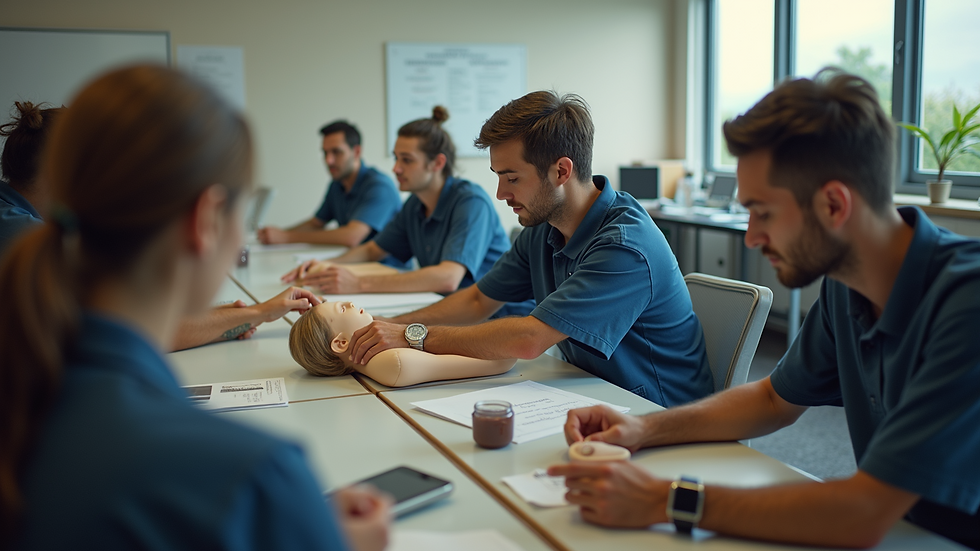
Hands-on child first aid training session in progress
How to Choose the Right Child First Aid Training Provider
Selecting a reputable training provider is crucial to ensure quality education and certification. Here are some tips to help you choose:
Accreditation: Check if the provider is accredited by recognised bodies or health authorities.
Experienced instructors: Look for trainers with medical backgrounds and experience in paediatric care.
Course content: Ensure the course covers all essential topics and includes practical sessions.
Class size: Smaller groups allow for more personalised attention and better skill development.
Flexibility: Some providers offer in-person, online, or blended learning options.
Reviews and testimonials: Read feedback from previous participants to gauge satisfaction.
For those interested, paediatric first aid training offers comprehensive courses designed to meet these standards and provide effective learning experiences.
Practical Tips for Applying Child First Aid Skills
Once trained, it’s important to keep your skills fresh and be prepared to act when needed. Here are some practical tips:
Keep a well-stocked first aid kit accessible at home, in the car, and at childcare settings.
Regularly review your training materials and practice key skills.
Stay calm during emergencies to think clearly and reassure the child.
Know emergency numbers and have them saved on your phone.
Educate children about safety and encourage them to speak up if they feel unwell or hurt.
Communicate effectively with other caregivers and healthcare professionals during incidents.
By maintaining readiness and confidence, you can provide the best possible care in critical moments.
Child first aid training is more than just a skill - it is a vital investment in the safety and wellbeing of children. Whether you are a parent, teacher, or caregiver, gaining this knowledge empowers you to act decisively and save lives. Taking the time to learn and practice these skills can make all the difference when every second counts.


Comments