
Mastering Counterbalance Forklift Skills
- Ricky Podmore
- Oct 20, 2025
- 4 min read

Operating a counterbalance forklift requires skill, precision, and safety awareness. Whether you are new to forklift operation or looking to improve your expertise, mastering these skills is essential for workplace efficiency and accident prevention. This guide will walk you through the key aspects of becoming proficient with a counterbalance forklift, including the benefits of a forklift certification course, practical tips, and what to expect from training.
Why Enrol in a Forklift Certification Course?
A forklift certification course is designed to equip operators with the knowledge and hands-on experience needed to operate forklifts safely and effectively. These courses cover essential topics such as load handling, safety protocols, and equipment maintenance.
Key benefits of a forklift certification course include:
Improved safety: Learn how to avoid common hazards and reduce workplace accidents.
Increased efficiency: Gain skills to handle loads quickly and accurately.
Legal compliance: Meet regulatory requirements for forklift operation.
Career advancement: Certification can open doors to better job opportunities.
During the course, trainees practice manoeuvring, stacking, and transporting loads under supervision. This practical experience is invaluable for building confidence and competence.

Essential Skills to Master for Counterbalance Forklift Operation
Mastering counterbalance forklift skills involves understanding the machine’s mechanics and developing safe operating habits. Here are some essential skills to focus on:
1. Understanding Load Capacity and Stability
Every forklift has a load capacity that must not be exceeded. Operators should always check the load chart and ensure the weight and size of the load are within limits. Understanding the centre of gravity and how it affects stability is crucial to prevent tipping.
2. Safe Load Handling Techniques
Approach the load squarely and ensure forks are level.
Insert forks fully under the load.
Lift the load slowly and steadily.
Tilt the mast back slightly to stabilise the load.
Keep the load low while moving to maintain balance.
3. Navigating Tight Spaces
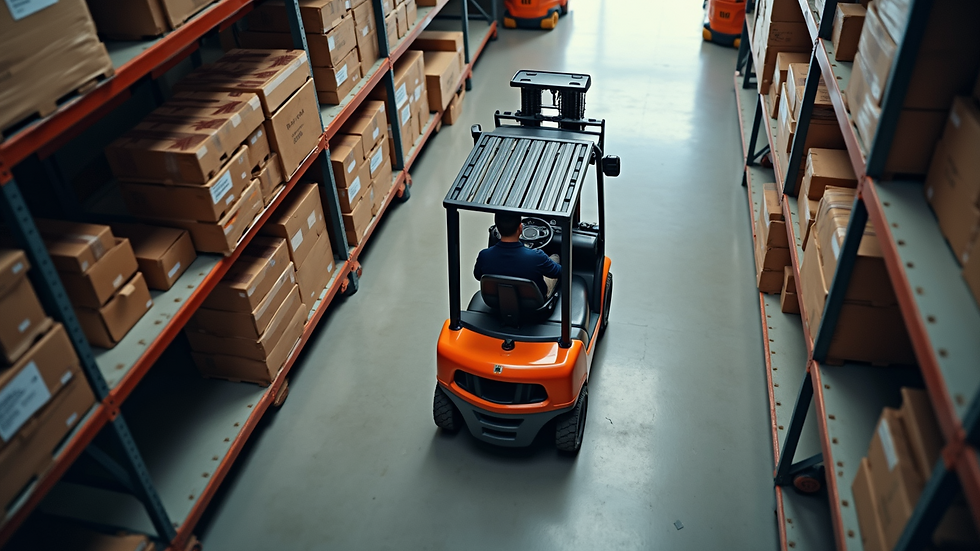
Counterbalance forklifts are often used in confined areas. Operators must develop spatial awareness and practice precise steering to avoid collisions with shelves, walls, or other equipment.
4. Performing Pre-Operational Checks
Before starting, inspect the forklift for any damage or faults. Check tyres, brakes, controls, and fluid levels. Reporting issues promptly helps maintain safety and prevents breakdowns.
5. Parking and Shutdown Procedures
Always park the forklift on a flat surface, lower the forks to the ground, apply the parking brake, and switch off the engine. Proper shutdown prevents accidents and equipment damage.

How much is a counterbalance forklift course?
The cost of a counterbalance forklift course varies depending on the provider, course duration, and location. Typically, prices range from £200 to £500 for a comprehensive training programme that includes both theory and practical sessions.
Factors influencing the cost include:
Course length: Longer courses with more hands-on training tend to be more expensive.
Certification level: Basic operator courses cost less than advanced or refresher courses.
Group size: Private or small group sessions may have higher fees.
Additional services: Some providers offer on-site training or customised courses at a premium.
It is important to choose a reputable training provider that offers accredited certification recognised by employers and regulatory bodies. Investing in quality training ensures you gain the skills needed to operate safely and confidently.
Practical Tips for Improving Your Forklift Operation Skills
Beyond formal training, continuous practice and attention to detail will help you master counterbalance forklift skills. Here are some actionable tips:
Practice regularly: The more you operate the forklift, the more comfortable and skilled you will become.
Stay alert: Always be aware of your surroundings and potential hazards.
Follow safety protocols: Wear appropriate PPE and adhere to workplace safety rules.
Communicate clearly: Use hand signals or radios to coordinate with colleagues.
Maintain the forklift: Keep the equipment clean and report any issues immediately.
Review your performance: Reflect on your work and seek feedback to identify areas for improvement.
By combining formal training with these practical habits, you can become a proficient and safe forklift operator.
Continuing Your Forklift Education and Career Growth
Mastering counterbalance forklift skills is just the beginning. To stay current and advance your career, consider ongoing education and training opportunities. Many employers offer refresher courses and advanced certifications to help operators keep up with new technologies and regulations.
Additionally, gaining experience with different types of forklifts and warehouse equipment can broaden your skill set. This versatility makes you a valuable asset in various industrial settings.
For those interested in formal training, enrolling in a counterbalance forklift course is a great way to start or enhance your forklift operation journey. These courses provide structured learning and certification that employers trust.
By investing in your skills and knowledge, you can ensure a safer workplace and open doors to new job opportunities in logistics, warehousing, and manufacturing.
Mastering counterbalance forklift skills requires dedication, practice, and proper training. Whether you are just starting or looking to improve, a forklift certification course combined with practical experience will help you operate confidently and safely. Keep learning, stay alert, and prioritise safety to excel in this essential industrial role.


Comments