
Essentials of Emergency First Aid Basics
- Ricky Podmore
- Jan 12
- 4 min read

Knowing how to respond in an emergency can save lives. An emergency first aid course equips individuals with the skills and confidence to act quickly and effectively when someone is injured or suddenly ill. This knowledge is essential not only in workplaces but also in homes, schools, and public spaces. Understanding the essentials of emergency first aid basics helps prepare you to handle common medical emergencies calmly and competently.
Understanding Emergency First Aid Basics
Emergency first aid is the immediate care given to a person suffering from an injury or illness until professional medical help arrives. The primary goal is to preserve life, prevent the condition from worsening, and promote recovery.
Some of the fundamental principles include:
Assessing the situation: Ensuring the scene is safe for both the rescuer and the victim.
Calling for help: Contacting emergency services promptly.
Providing care: Administering appropriate first aid techniques based on the injury or illness.
For example, if someone is choking, knowing how to perform the Heimlich manoeuvre can clear their airway quickly. In cases of bleeding, applying pressure to the wound can prevent excessive blood loss.
An emergency first aid course covers these basics in detail, teaching practical skills through demonstrations and hands-on practice.
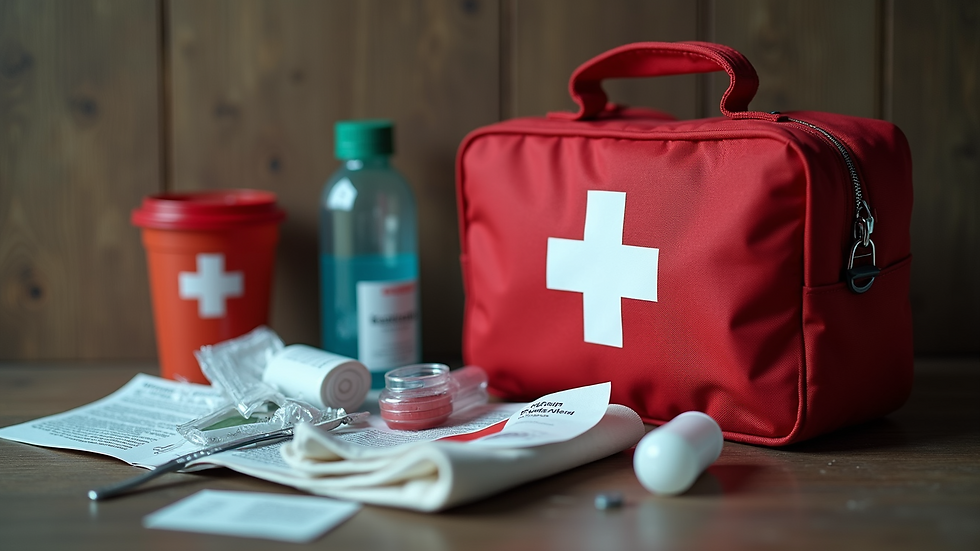
First aid kit essentials for emergency situations
Key Components of an Emergency First Aid Course
A comprehensive emergency first aid course typically includes several core topics designed to prepare participants for a variety of situations. These components are:
1. CPR (Cardiopulmonary Resuscitation)
CPR is a lifesaving technique used when someone’s breathing or heartbeat has stopped. The course teaches how to perform chest compressions and rescue breaths effectively. Participants learn the correct hand placement, compression depth, and rhythm to maximise the chances of survival.
2. Managing Choking
Choking can quickly become life-threatening. The course explains how to recognise choking signs and perform abdominal thrusts or back blows to dislodge the obstruction safely.
3. Treating Wounds and Bleeding
Understanding how to control bleeding is critical. The course covers cleaning wounds, applying dressings, and using pressure points to reduce blood flow. It also highlights when to seek further medical attention.
4. Handling Burns and Scalds
Burn injuries require immediate and appropriate care to reduce damage and pain. The course teaches how to cool burns properly and protect the affected area.
5. Responding to Medical Emergencies
Participants learn to identify symptoms of common medical emergencies such as heart attacks, strokes, seizures, and allergic reactions. The course provides guidance on how to assist victims while waiting for emergency services.
6. Using an Automated External Defibrillator (AED)
Many courses include training on AED use. This device can restore a normal heart rhythm during cardiac arrest. Learning how to operate an AED confidently can be crucial in saving lives.

Automated External Defibrillator (AED) for cardiac emergencies
Practical Skills and Hands-On Training
One of the most valuable aspects of an emergency first aid course is the practical training. Theory alone is not enough when seconds count. Hands-on practice helps build muscle memory and confidence.
During the course, participants often:
Practice CPR on mannequins.
Simulate choking scenarios.
Apply bandages and dressings.
Use AED trainers.
Role-play emergency situations to improve decision-making.
This interactive approach ensures that learners are not only familiar with the techniques but also comfortable applying them under pressure.
Why Taking an Emergency First Aid Course Matters
Emergencies can happen anywhere and at any time. Being prepared with first aid knowledge can make a significant difference in outcomes. Here are some reasons why taking an emergency first aid course is essential:
Saves lives: Immediate first aid can prevent fatalities.
Reduces recovery time: Proper care minimizes complications.
Builds confidence: Knowing what to do reduces panic and hesitation.
Promotes safety: Encourages a safer environment at work and home.
Legal compliance: Many workplaces require trained first aiders.
Moreover, having trained individuals in the community increases overall safety and resilience.
Tips for Choosing the Right Emergency First Aid Course
When selecting a course, consider the following factors to ensure it meets your needs:
Accreditation: Choose courses certified by recognised organisations.
Course content: Ensure it covers essential topics relevant to your environment.
Duration: Some courses are short refresher sessions, while others are more comprehensive.
Practical training: Confirm that hands-on practice is included.
Instructor qualifications: Experienced trainers enhance learning quality.
Location and schedule: Find a course that fits your availability and is easy to access.
Many providers offer tailored courses for specific industries or age groups, so select one that aligns with your requirements.
Continuing Education and Refresher Training
First aid guidelines and techniques can change over time. It is important to refresh your skills regularly to stay up to date. Most certifications are valid for one to three years, after which a refresher course is recommended.
Regular practice and review help maintain confidence and competence. Some organisations also provide online resources and updates to support ongoing learning.
Taking an emergency first aid course is a proactive step towards being prepared for unexpected situations. Whether at home, work, or in public, having the knowledge and skills to respond effectively can save lives and reduce the impact of injuries.
By understanding the essentials of emergency first aid basics, you empower yourself to act decisively and compassionately when it matters most.


Comments